Why Basic Maintenance Knowledge Matters
Most drivers hand their car to a mechanic when something goes wrong and trust that the advice they receive is sound. That trust is reasonable, but having some working knowledge of vehicle maintenance helps in several practical ways: it makes it easier to recognise problems before they become serious, to ask the right questions when talking to a garage, and to understand what scheduled services are actually for.
This article covers the core maintenance areas — the ones that affect reliability most directly and that drivers encounter most often. It isn't a technical manual, but it should give you a clearer picture of how your vehicle is kept healthy and what typically needs attention over time.
Engine Oil: The Most Important Fluid to Monitor
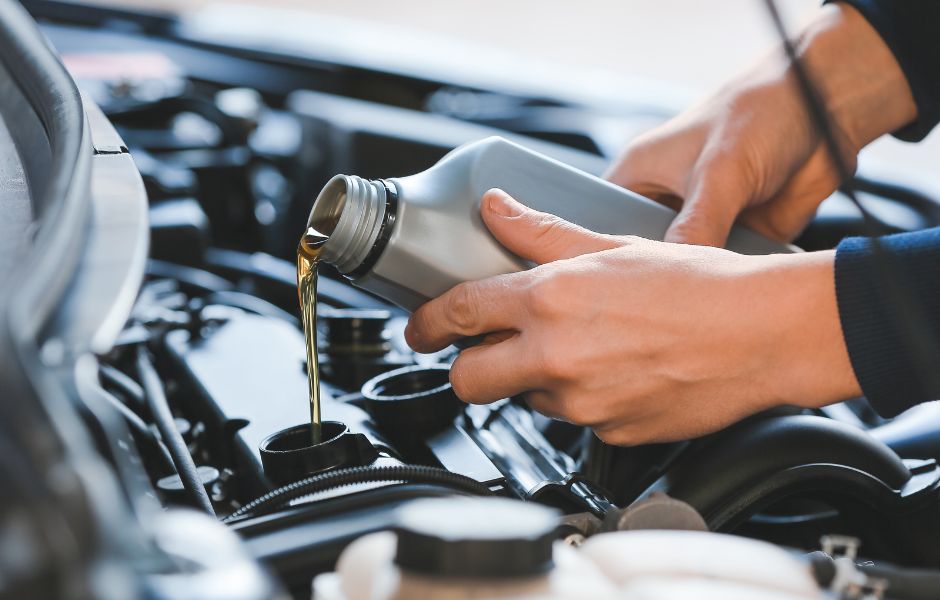
Engine oil is the single most important fluid in your vehicle. It lubricates the dozens of moving metal components inside the engine — crankshaft bearings, camshaft lobes, valve train components, piston rings — that would otherwise grind against each other and wear rapidly. Oil also carries heat away from areas the cooling system doesn't reach directly, and its detergent additives help suspend combustion deposits so they're removed at the next oil change rather than building up on internal surfaces.
Oil degrades through use. The base oil oxidises, additive packages are consumed, and the oil accumulates combustion byproducts. Degraded oil is thicker, less able to flow into tight clearances quickly during cold starts, and less effective at protecting surfaces during sustained operation. The oil change interval recommended by your manufacturer reflects the point at which the oil's protective properties have degraded sufficiently to warrant replacement.
Between services, it's worth checking your oil level periodically — every few weeks or after a long journey is a sensible habit. Most vehicles have a dipstick with minimum and maximum markers. An oil level that's consistently dropping between services may indicate minor consumption, which is normal in many engines, or could point to a leak worth investigating.
Tyres: Condition Affects Everything
Tyres are the only point of contact between your vehicle and the road. Their condition directly affects braking distance, cornering stability, fuel economy, and ride comfort. Tyre maintenance is straightforward but genuinely important.
Tread Depth
Tread depth affects the tyre's ability to channel water away from the contact patch during wet driving. The legal minimum in most European countries is 1.6mm across the central three-quarters of the tyre width, but many tyre manufacturers and road safety organisations recommend replacing tyres at 3mm, since wet braking performance degrades noticeably between 3mm and the legal minimum. A simple tread depth gauge costs very little and takes seconds to use.
Tyre Pressure
Under-inflated tyres flex more than they should during use, which generates heat, increases rolling resistance (reducing fuel economy), and causes the tyre to wear faster on its outer edges. Over-inflation reduces the contact patch, which can compromise grip and leads to wear concentrated in the centre of the tread. Your vehicle's recommended tyre pressures are usually found on a sticker inside the driver's door frame or in the owner's manual — these pressures may differ between front and rear axles and change with load.
Tyre Rotation
Front tyres typically wear faster than rear tyres because they handle steering and, in front-wheel-drive vehicles, also transmit engine power. Rotating tyres at regular intervals — usually every 8,000 to 12,000 km — helps even out wear across all four, extending the useful life of the set.
Brakes: Wear Is Normal, Neglect Is Not
Brake components wear with use — that's by design. Brake pads are friction material bonded to a metal plate, and they gradually wear down as they press against the rotor. The rate of wear depends on driving style, vehicle weight, and the quality of the pads fitted. City driving with frequent stops wears pads much faster than motorway driving at steady speeds.
Most modern brake pads include a wear indicator — a small metal tab that makes contact with the rotor when the friction material is low, producing a squealing sound. This is a deliberate warning feature. If you hear it consistently during braking, it's worth getting the pads checked soon.
Brake fluid also deserves attention. It's a hydraulic fluid that transmits the force of your foot on the pedal to the brakes at each wheel. It absorbs moisture over time, which lowers its boiling point and can lead to reduced braking consistency under heavy use. Most manufacturers recommend changing brake fluid every two years regardless of mileage.
Coolant: Keeping Engine Temperature Stable
The engine cooling system maintains operating temperature within a narrow range. Too cold and the engine runs inefficiently; too hot and components are at risk of damage. Coolant — a mixture of antifreeze and water — circulates through passages in the engine block, picks up heat, passes through the radiator where it releases that heat, and returns to the engine.
Coolant level should be checked when the engine is cold. The reservoir has minimum and maximum markers; the level should sit between them. A coolant level that drops persistently points to a leak somewhere in the system — at a hose, the radiator, the water pump, or less commonly through the head gasket. Any significant coolant loss should be investigated promptly.
The coolant itself also needs replacing over time. The inhibitor additives that protect the cooling system from internal corrosion degrade, and old coolant can become acidic. Most manufacturers specify a coolant change interval of three to five years.
Scheduled Servicing: What It Actually Covers
Vehicle manufacturers specify service intervals — in distance, time, or both — at which a defined set of checks and replacements should be carried out. These are set based on the typical wear and degradation rates of components under normal operating conditions.
A standard service typically includes an oil and filter change, along with a visual inspection of brake wear, tyre condition, lights, fluid levels, and the condition of belts and hoses. A more comprehensive service or major service (often at longer intervals) adds items like air filter replacement, spark plugs, cabin filter, brake fluid, and other components specified by the manufacturer.
Following the manufacturer's service schedule keeps wear-related issues from accumulating unnoticed and provides a documented service history — which is relevant both for vehicle reliability and for resale value.
Timing Belt and Cambelt: Don't Overlook It
The timing belt (or cambelt) is a reinforced rubber belt that synchronises the rotation of the crankshaft and camshaft, ensuring the engine's valves open and close at the right moments in relation to the pistons. If the timing belt breaks or jumps, the consequences are typically serious — in many engines, the pistons and valves will collide, causing major internal damage.
Timing belts are not visible from outside the engine and do not usually give obvious warning signs before failure. Replacement is based on mileage and age thresholds set by the manufacturer — commonly somewhere between 80,000 and 160,000 km, and often a time limit of five to seven years regardless of mileage. Some vehicles use a timing chain rather than a belt; chains generally last longer but are not maintenance-free in all cases.
Checking when the timing belt was last changed — and when the next change is due — is worthwhile if you're buying a used vehicle or if you've lost track of your service history.
Summary: Consistent attention to engine oil, tyre condition and pressure, brakes, coolant, and your manufacturer's service schedule will address the majority of vehicle maintenance needs. None of these require specialist knowledge to monitor — just regular attention and willingness to act on what you notice.
When to Seek Professional Advice
Some vehicle issues are clearly urgent — oil pressure warning lights, temperature gauge climbing into the red, brake pedal going to the floor. Others are less obvious: a gradual change in fuel economy, a faint smell that wasn't there before, a new vibration at certain speeds. These subtler signals are worth taking seriously. They often represent developing issues that are easier and less expensive to address early than after they've been left for months.
If you notice something different about how your vehicle drives, sounds, or feels, getting it looked at promptly is a reasonable response. A diagnostic check or visual inspection doesn't commit you to any particular repair — it simply tells you what's going on.